A water leak at home: the first ten minutes
Stop the water
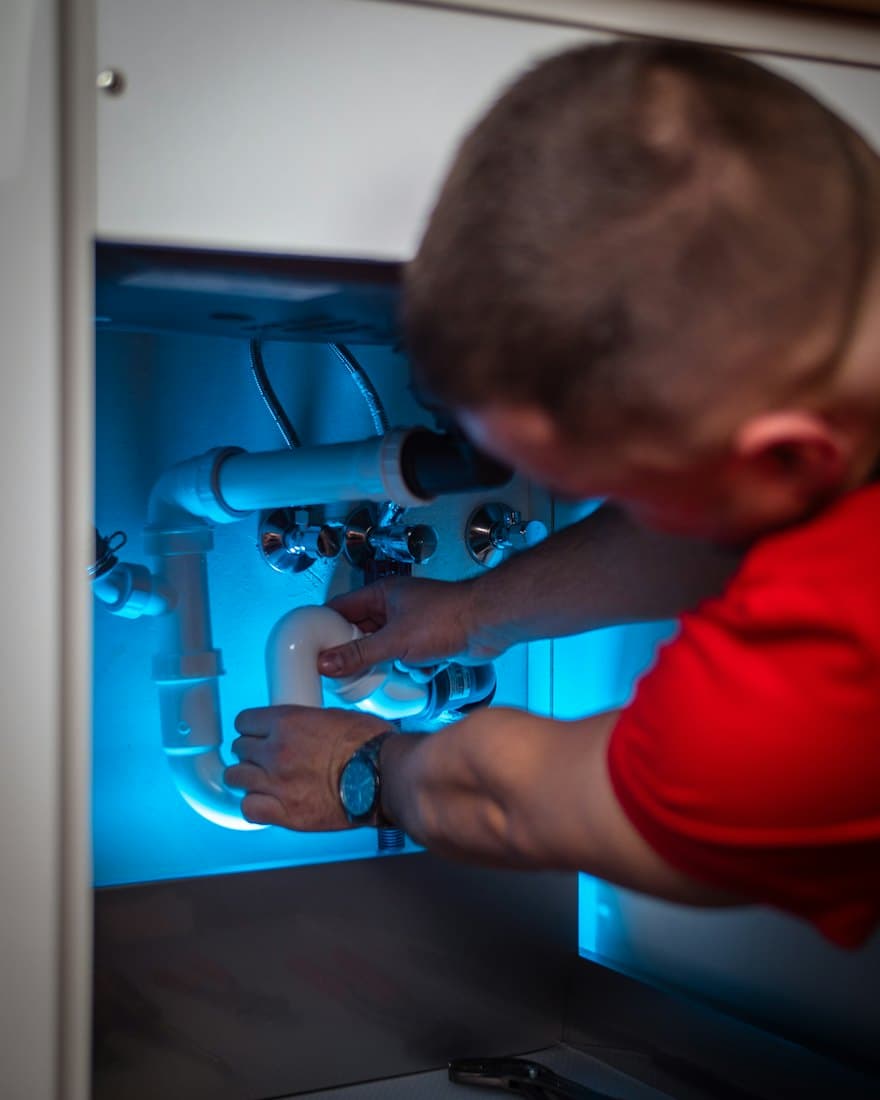
Close the main stopcock first. If the leak comes from one tap, toilet or appliance, there is often a small valve on the pipe just before it, and closing that is enough.
If you cannot find the stopcock or it will not turn, call a plumber now and keep looking while you wait. In a flat, your neighbours or the caretaker may know where the building's valves are.
Keep away from wet electrics
Water and electricity together are the real danger in a leak. If water has reached sockets, light fittings, a ceiling light or appliances, switch off the electricity at the fuse box, but only if you can reach it without standing in water.
If you cannot reach the fuse box safely, leave the room and call an electrician. Do not touch plugs or switches with wet hands.
Protect your belongings
Move furniture, rugs, electronics and papers away from the water. Lift what you cannot move onto blocks or tins. Put buckets under drips and soak up what you can with towels.
If water is coming through a ceiling that is sagging, keep out from under it. A bulging ceiling can give way.
Take photos for your insurer
Before you clean up, photograph and film the leak, the source if you can see it, the water on the floor and anything damaged. Keep receipts for anything you buy to deal with the leak, and do not throw away damaged items until your insurer says you can.
Call your home insurance as soon as you can. They will tell you what they need and whether they send someone.
Warn the neighbours and the syndic
If you live in a flat, go down and tell the neighbours below. Water travels through floors faster than you think, and they will want to protect their own things.
Tell your building's syndic too, especially if the leak may come from a shared pipe. Neighbours and the syndic will often need to fill in a joint report for the insurers, so swap contact details now.
Then call a plumber
Once the water is off and everyone is safe, call a plumber. Describe what happened, what you have closed and where the water came from, and send photos if they ask. Ask for the call-out price before they travel, and a written quote for anything beyond the emergency repair.
Frequently asked questions
Where is the main stopcock usually?
Often under the kitchen sink, near the water meter, or where the supply pipe enters the home. In a flat it can also be in a cupboard or a shared technical space. Find it before you need it.
Should I clean up before taking photos?
No. Take photos and a short video first, then clean up. Your insurer will want to see the damage as you found it.
What if the leak comes from the flat above?
Go upstairs or call your neighbour straight away so they can close their water, and tell your syndic if nobody answers.